1. Patient Examination Equipment Patient examination equipment forms the foundation of most healthcare facilities. These items are used for routine consultations, physical examinations, and basic health assessments.
Common examination equipment includes:
- Examination tables
- Medical examination lights
- Stethoscopes
- Blood pressure monitors
- Digital thermometers
- Pulse oximeters
- Medical weighing scales
- Height measurement equipment
The right combination of equipment depends on the type of patients treated and the services provided by the clinic.
For example, a general practice clinic may require a comprehensive examination setup, while a specialized clinic may require additional equipment designed for specific examinations.
2. Diagnostic Equipment
Diagnostic equipment helps healthcare professionals assess patients and support the diagnosis and monitoring of various medical conditions.
Depending on the clinic's services, diagnostic equipment may include:
- ECG machines
- Patient monitors
- Blood glucose meters
- Ultrasound systems
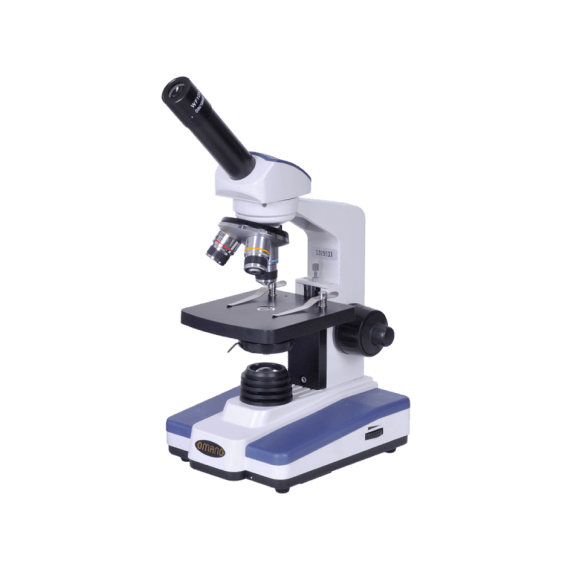
- Diagnostic analyzers
- Spirometers
- Other point-of-care testing devices
Not every clinic requires advanced diagnostic equipment. The selection should be based on the medical services offered, expected patient volume, available space, and the requirements of healthcare professionals.
Choosing equipment that matches the clinic's actual needs can help avoid unnecessary investment while ensuring that essential diagnostic capabilities are available.
3. Emergency Medical Equipment
Emergency equipment is an important part of clinical preparedness. Even clinics that primarily provide routine consultations should have appropriate equipment for responding to medical emergencies within their scope of practice.
Depending on the facility and services provided, emergency equipment may include:
- Automated external defibrillators (AEDs)
- Emergency trolleys
- Oxygen delivery equipment
- Suction machines
- Resuscitation equipment
- Bag-valve masks and related accessories
- Emergency monitoring equipment
Staff should also be familiar with the equipment available in the clinic and receive appropriate training for emergency procedures.
4. Sterilization & Infection Control Equipment
Infection prevention is an essential consideration in healthcare environments. Clinics that use reusable medical instruments need appropriate cleaning, disinfection, and sterilization processes.
Common equipment and supplies may include:
- Autoclaves
- Sterilization equipment
- Instrument trays
- Medical waste containers
- Sharps containers
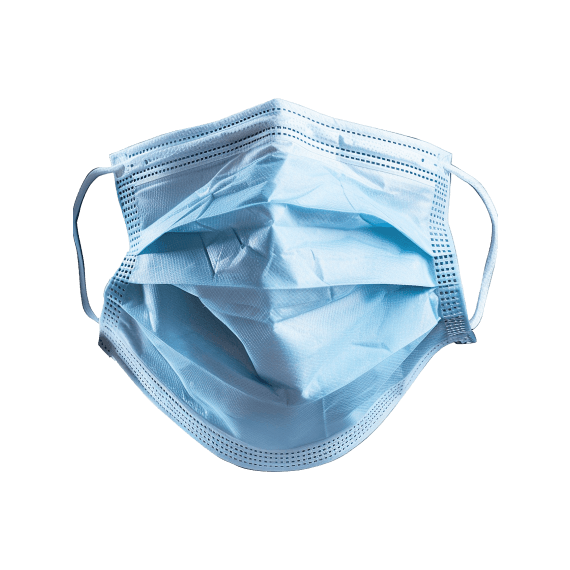
- Personal protective equipment (PPE)
- Hand hygiene stations and supplies
The appropriate sterilization process depends on the type of instruments and the services provided by the clinic.
Clinics should establish appropriate infection-control procedures and ensure that equipment is maintained and used according to manufacturer instructions and applicable requirements.
5. Patient Care Equipment
Patient care equipment can help healthcare professionals safely examine, treat, transfer, and support patients.
Depending on the clinic, commonly used equipment may include:
- Medical beds
- Examination couches
- Patient stretchers
- Wheelchairs
- IV stands
- Patient transfer equipment
- Mobility and support equipment
The type of patient care equipment required will depend on the clinic's specialty and the level of care provided.
For example, a physiotherapy center may require different patient support equipment compared with a general medical clinic.
6. Clinic Furniture & Supporting Equipment
Medical equipment is only one part of a functional clinic. Appropriate furniture and storage solutions can help healthcare professionals organize equipment, instruments, medicines, and supplies efficiently.
Supporting equipment may include:
- Medical cabinets
- Instrument trolleys
- Medical storage units
- Treatment stools
- Procedure carts
- Reception furniture
- Waiting-area furniture
Storage should be planned carefully so frequently used equipment and supplies can be accessed easily while maintaining an organized clinical environment.
7. Equipment Based on Clinic Specialty
There is no single medical equipment list that applies to every clinic. The required equipment can vary considerably depending on the healthcare specialty.
General Practice Clinics
General clinics commonly require equipment for:
- Patient examination
- Vital-sign monitoring
- Basic diagnosis
- Minor procedures
- Emergency response
Dental Clinics
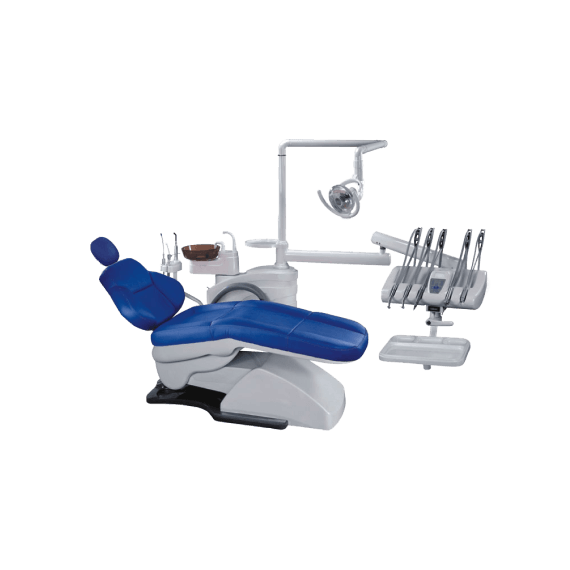
Dental facilities require specialized dental equipment and instruments, such as dental chairs, dental delivery systems, sterilization equipment, and other dental-specific devices.
ENT Clinics
ENT clinics may require specialized examination and diagnostic equipment for assessing the ear, nose, and throat.
Physiotherapy Clinics
Physiotherapy facilities commonly require treatment tables, rehabilitation equipment, therapeutic devices, and mobility-related equipment.
Dermatology Clinics
Dermatology clinics may require specialized diagnostic and treatment equipment depending on the procedures and services provided.
Diagnostic Centers
Diagnostic facilities generally require more specialized testing and imaging equipment, depending on the services offered.
This is why healthcare providers should develop an equipment list based on their actual services rather than simply purchasing a standard clinic package.
8. How to Choose Medical Equipment for a Clinic in the UAE
Selecting medical equipment involves more than comparing prices. Healthcare providers should consider several factors before making a purchase.
Quality and Reliability
Equipment should be suitable for its intended clinical application and sourced from reliable manufacturers or suppliers.
Intended Use
Consider how frequently the equipment will be used and whether it is appropriate for the procedures and services offered by the clinic.
Ease of Maintenance
Regular maintenance can help equipment remain functional and reliable. Before purchasing, consider the availability of maintenance services, spare parts, and technical support.
Warranty and After-Sales Support
A suitable warranty and dependable after-sales support can be important when purchasing medical equipment, particularly for equipment that is critical to daily clinical operations.
Staff Training
Healthcare professionals and other relevant staff should understand how to operate equipment safely and according to the manufacturer's instructions.
Budget
The lowest purchase price is not always the most appropriate choice. Clinics should consider the overall cost of ownership, including maintenance, consumables, servicing, and potential re